
Nutrition is not separate from performance, it drives it.
At Surge Coaching, we approach nutrition with the same structure and evidence-based principles used in training programming.

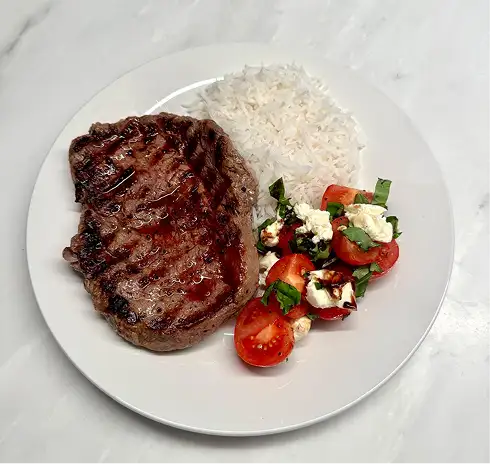


Improvement in cycling doesn’ t happen by accident.
You can train perfectly — and still underperform if your fuelling is wrong.
Proper cycling nutrition supports:
Under-fuel, and performance declines.
Over-restrict, and recovery suffers.
Structure matters.
Nutrition is one of the most misunderstood areas in amateur cycling.
Most riders either don’t eat enough to support their training load, eat too little in an attempt to manage weight, or fuel inconsistently without a clear strategy.
Any of those patterns will limit your performance regardless of how well-structured your riding is.
The riders who improve consistently treat nutrition with the same seriousness as their training plan.
Race performance isn’t just about fitness. It’s about delivering energy when it matters most.
As part of your Surge Coaching program, James builds a personalised strategy around your event so you arrive fuelled, stay fuelled, and finish strong.
Race fuelling should be rehearsed, not improvised.
At Surge, we focus on:
Practical fuelling strategies
Performance-based nutrition
Training-phase specific adjustments
Avoiding extreme or unsustainable diets
Supporting strength and endurance development
Good cycling nutrition doesn’t require obsessive calorie counting or cutting out food groups. It requires a practical framework that fits your life, supports your training, and helps your body actually absorb the work you’re putting in.

Train smarter. Fuel properly. Perform better.
If you want nutrition tailored to your training load, body composition goals, and race calendar, explore Online Coaching.
No lock-in contracts. Just clarity.
Training day nutrition is built around supporting your session and recovering from it. Before a hard ride, you want adequate carbohydrates on board so you can actually produce the power the session demands. After the session, the priority shifts to protein for muscle repair and carbohydrates to replenish glycogen stores, ideally within 30 to 60 minutes of finishing. Easy days have lower carbohydrate demands, which is why nutrition should shift across your training week rather than staying static regardless of what you’re doing.
Recovery happens between sessions, not during them, and nutrition is one of the primary levers that controls how well it goes. Protein intake is particularly important for masters athletes because muscle repair and synthesis become less efficient with age, meaning you need adequate protein spread across the day to support the adaptation you’re working for. Sleep quality, hydration, and total calorie intake also feed directly into how quickly your body is ready to go again. Under-fuelling on recovery days is one of the most common reasons cyclists carry residual fatigue into their next hard session.
It depends on the intensity and duration of the session. As a general guide, rides under 90 minutes at low to moderate intensity can often be completed without on-bike fuelling if you’ve eaten well beforehand. For longer or harder sessions, most cyclists should aim for 60 to 90 grams of carbohydrate per hour to maintain power output and delay fatigue. Getting this dialled in for your specific training load is something James works through as part of the coaching program.
Body composition can absolutely be a performance goal, but the timing and approach matter a lot. Trying to aggressively cut calories during a high training load is one of the most common ways cyclists stall their progress, because under-fuelling compromises recovery, hormone balance, and the ability to adapt to training. A better approach is to align any body composition work with lower-intensity training phases where the demand on your system is reduced.
Yes, and this is one of the areas most self-coached cyclists miss entirely. Your carbohydrate needs during a high-volume base phase are different from what you need in a race-prep block. Recovery nutrition becomes even more critical when training load increases. At Surge, nutrition guidance is adjusted alongside your training phases so your fuelling is always matched to what your body is actually doing.
Everyday nutrition is about supporting training, recovery, and long-term health. Race fuelling is a specific strategy built around the demands of your event, covering what you eat in the days before, how you fuel during the race, and how you recover immediately afterwards. Both matter, and both are covered within Surge Coaching’s nutrition guidance.
Yes, nutrition guidance is included as part of the Surge online coaching program. This covers everyday fuelling strategies, training-phase adjustments, and race fuelling plans, all integrated alongside your cycling and strength programming rather than treated as a separate add-on.
For athletes who want to go deeper, James also offers a more comprehensive nutrition plan service. The best way to find out what level of support is right for you is to bring it up on your discovery call. James will talk through your goals and point you in the right direction from there.