
Train hard.
Recover well.
Improve consistently.
Most cyclists focus on what they do in the saddle. The riders who improve year on year understand that training is only half the equation. Recovery is where the adaptation happens.
When you push through a hard ride or a tough session in the gym, you’re not getting fitter in that moment. You’re creating stress. The fitness comes from what your body does in the hours and days that follow, repairing muscle tissue, replenishing glycogen, adapting to the load that was applied.
This is why two cyclists can do the same training block and get completely different results. One is sleeping well, fuelling properly, and managing their workload. The other is layering fatigue on top of fatigue and wondering why their numbers aren’t moving.
For masters athletes in particular, recovery isn’t optional. The rate at which your body repairs and adapts changes with age, which means the margin for under-recovering is much smaller than it was in your twenties. Getting this right is one of the most significant performance levers available to you.
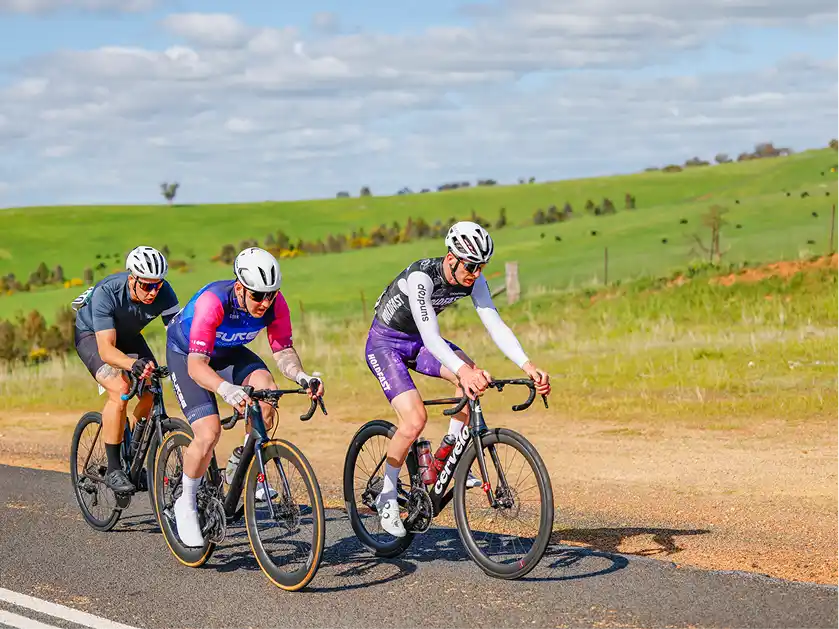
It’s built into the program from the start, structured with the same deliberateness as the training sessions themselves.
You don’t get fitter by training harder. You get fitter by recovering better.
HRV tracking to monitor your nervous system’s readiness and adjust session intensity accordingly
Fatigue, fitness, and form scores tracked through TrainingPeaks so your program adapts to how your body is actually responding
Deliberately placed recovery days and recovery weeks within each training phase
Sleep and nutrition guidance integrated into the program, not treated as separate considerations
Workload management that accounts for life outside cycling, work, family, and stress all affect recovery capacity
Program adjustments when life gets in the way, because missing sleep or a chaotic week changes what your body needs next
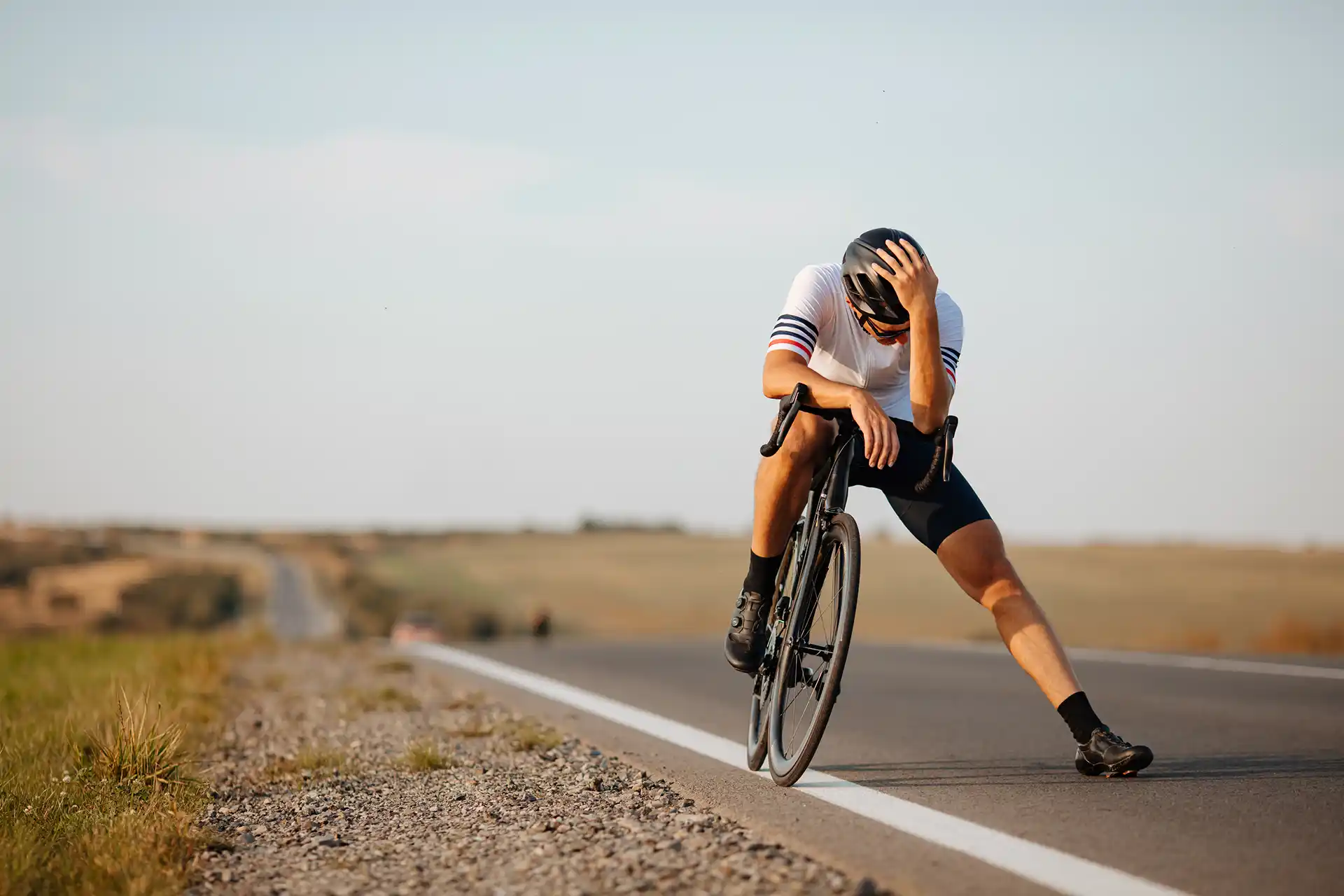
Most riders don’t notice they’re under-recovering until the damage is already done. The signs tend to creep in gradually:
Training harder is not the answer when the problem is recovery.

Stop leaving fitness on the table.
If your training is consistent but your results aren’t, recovery is often the missing piece.
Book a free discovery call with James and find out what a properly structured program looks like.
No lock-in contracts. Just clarity.
It depends on your training load, age, and how well you’re sleeping and fuelling. Most masters cyclists benefit from at least one full rest day per week and one or two genuinely easy days, not days where you go out and push harder than planned because you’re feeling good. The right number varies across different phases of the training year and is something James structures into your program based on your specific workload and recovery data.
Not exactly. Zone 2 is a training zone with a specific physiological purpose, building aerobic base and improving fat oxidation. A true recovery ride is considerably easier than Zone 2, and its only job is to promote blood flow without adding meaningful training stress. Many cyclists confuse the two and end up turning recovery days into moderate training days, which means they never fully absorb the harder sessions.
HRV (heart rate variability) is one of the most reliable indicators. When your HRV is suppressed compared to your baseline, your nervous system is still under stress and a hard session is likely to do more harm than good. Other signals include resting heart rate, sleep quality, motivation levels, and how your legs felt on your last ride. At Surge, James tracks these markers and uses them to make real-time decisions about session intensity rather than rigidly following a plan regardless of how you’re responding.
Yes, significantly. As a masters athlete, your body’s ability to synthesise protein and repair muscle tissue slows down, your hormonal environment is less conducive to rapid adaptation, and your nervous system takes longer to recover from high-intensity efforts. This doesn’t mean you can’t train hard or improve. It means the structure around your training needs to be more deliberate, particularly the spacing of hard sessions, protein intake, and sleep quality. James works with masters athletes specifically and programs with these realities in mind.